Pursuit Strategy, Proposals & Interview Coaching
RFP/RFQ Proposals
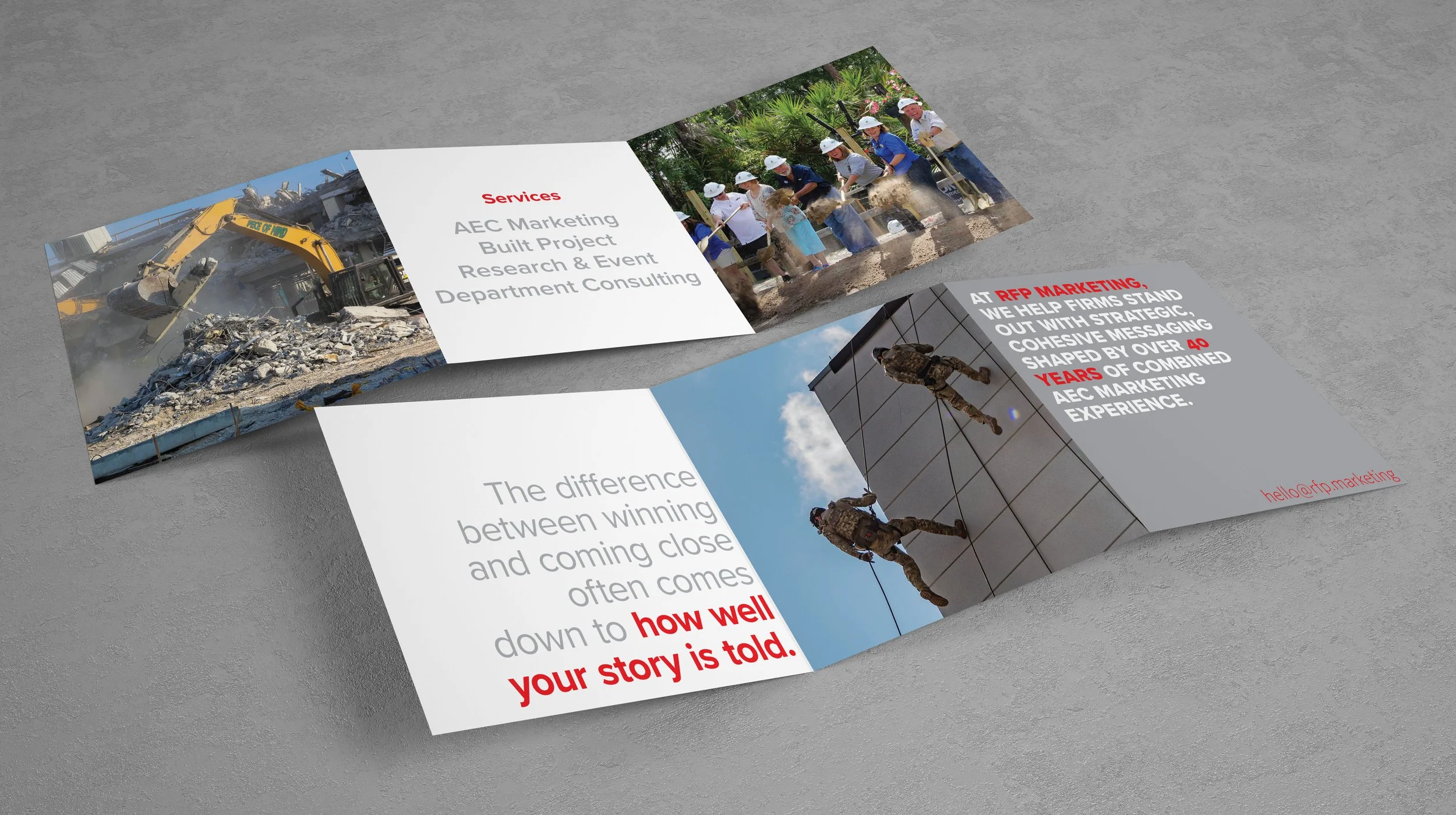
The difference between winning and coming close is often how well your story is told.
Throughout my career, I have led hundreds of RFQ and RFP pursuits across architecture, engineering, construction, and consulting. While proposals are often treated as production exercises, I have always approached them as strategic communications assignments: understand the client, identify the opportunity, determine what will matter most in the decision, and build a persuasive story around why a particular team is the right fit.
The process often begins long before a solicitation is released. I have researched capital improvement plans, public funding, agency priorities, development activity, procurement schedules, competitors, incumbent relationships, and client history to help teams understand where opportunities were emerging and how they should position themselves. That early intelligence frequently shaped the pursuit strategy before any formal response was written.
Once a pursuit began, I worked with executives, business developers, project managers, architects, engineers, estimators, and other technical professionals to uncover the information that mattered most. I developed win themes, differentiators, value propositions, messaging frameworks, and storylines while also managing compliance, schedules, responsibilities, reviews, writing, editing, and production. My role was often to take highly technical or fragmented input and turn it into a clear, client-centered narrative that felt cohesive rather than assembled.
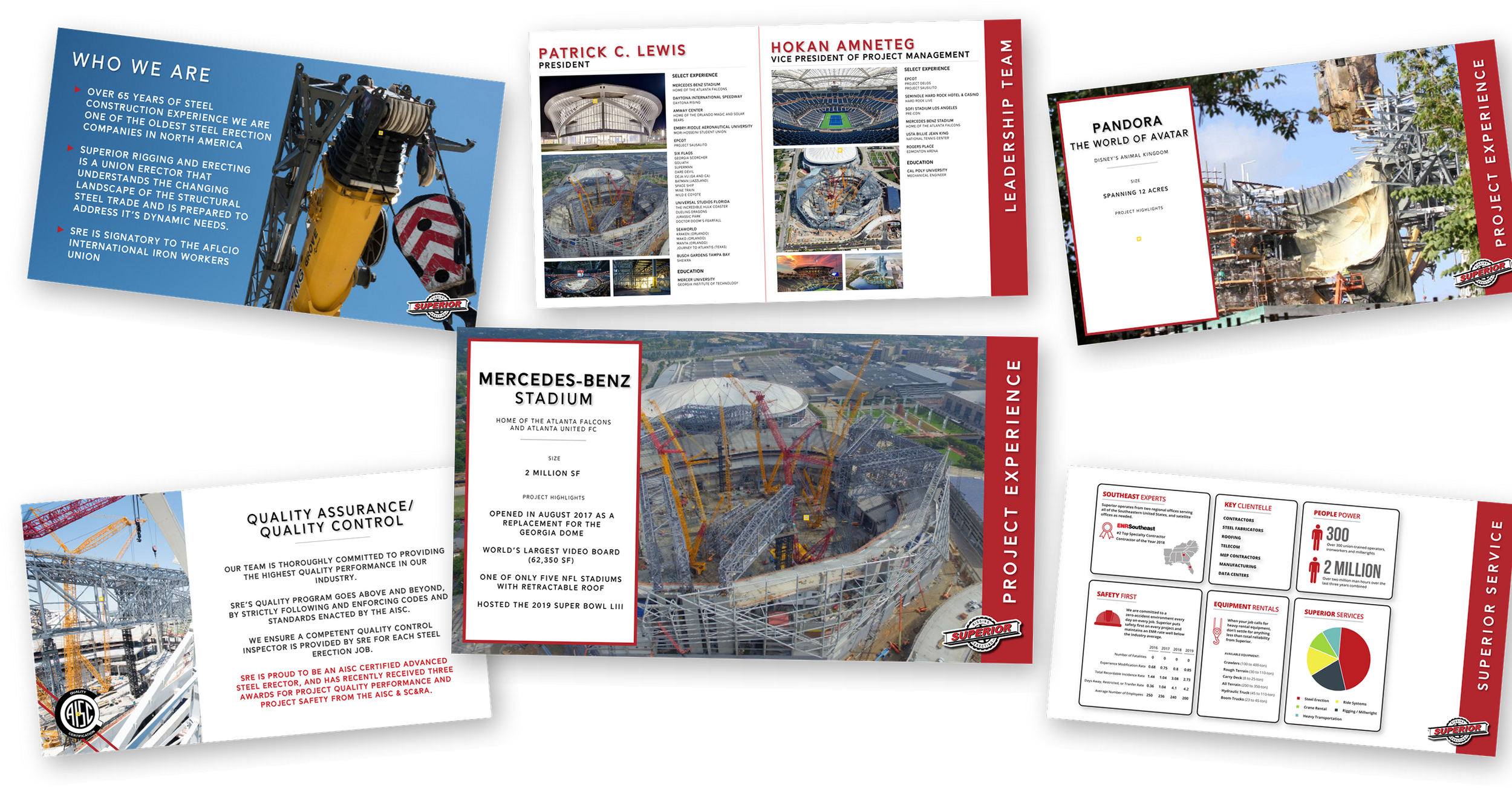
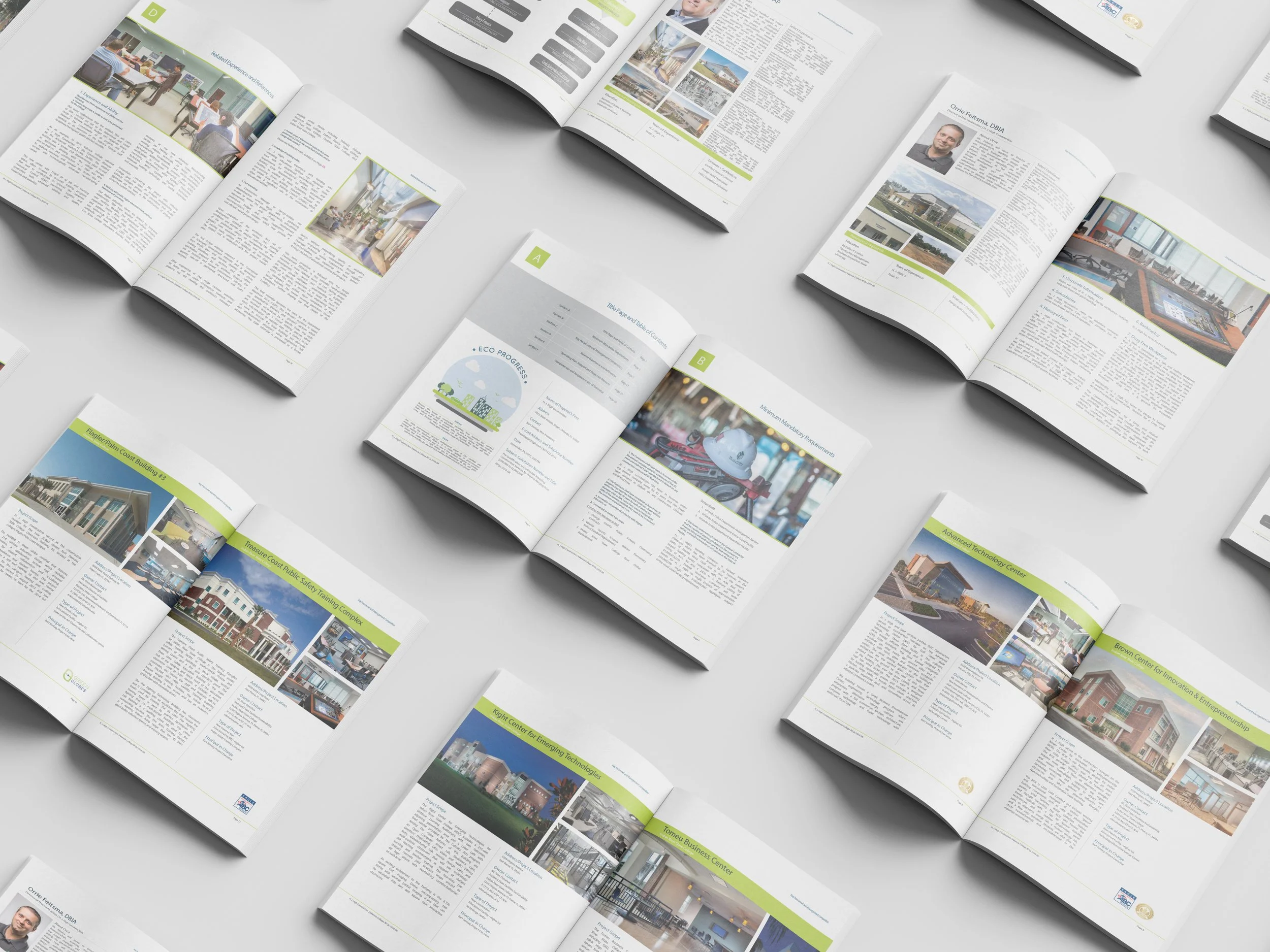
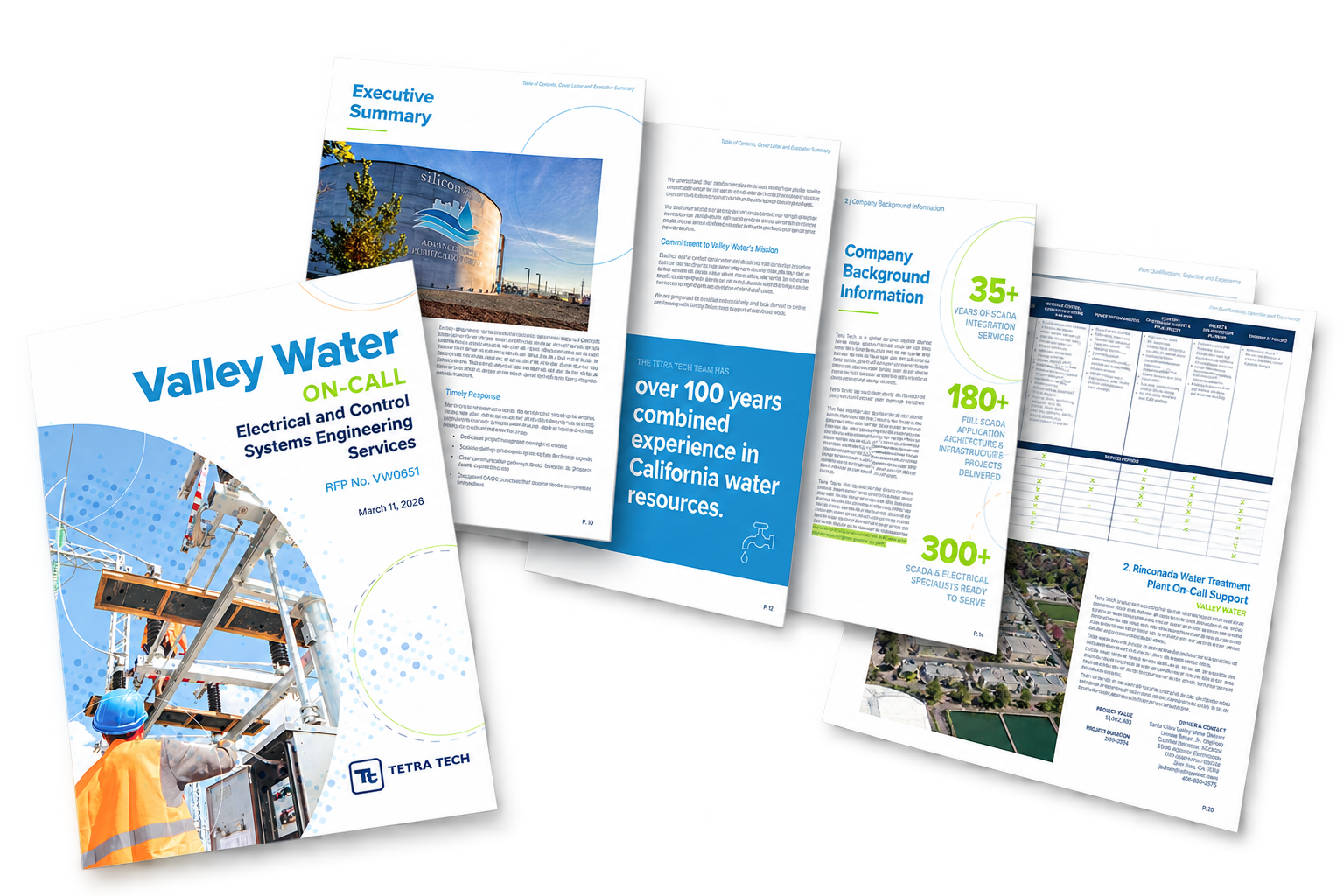
Visual storytelling was also an important part of that process. I worked with designers and production teams to ensure the presentation of information supported the strategy, using hierarchy, graphics, photography, project examples, and page structure to make complex qualifications easier to understand and more memorable.
The work continued beyond the written submission. For shortlisted teams, I helped develop presentation strategy, structure storyboards, refine messaging, coach presenters, facilitate rehearsals, prepare teams for difficult questions, and ensure the interview felt natural, confident, and aligned with the original pursuit strategy.
One thing I know best about this work is the discipline it requires. Every pursuit has a different audience, competitive environment, set of priorities, and decision process. Success depends on listening carefully, identifying the strongest point of difference, simplifying complexity without losing substance, and making sure every element reinforces the same strategic idea. That is the same foundation I bring to creative strategy more broadly: understand the audience, define the opportunity, shape the story, and make the case clearly enough that people want to act.